I remember the night my Thanksgiving leftovers turned into a culinary crisis, my kitchen smelling like burnt gravy and a dash of regret. I stared at the cold turkey, the soggy rice, and the wilted carrots, wondering if I could salvage the feast without turning it into a sad, dry casserole. That moment sparked a daring experiment, a recipe that would transform those forgotten scraps into a sizzling, flavor-packed dish. I was determined to prove that leftover turkey could leap from the fridge to the skillet with gusto, not gloom. The idea of turning a pile of leftovers into a vibrant, crowd‑pleasing fried rice had never crossed my mind before this kitchen epiphany. And so, the quest began, with a promise that this version would be the ultimate comeback story for any leftover turkey.
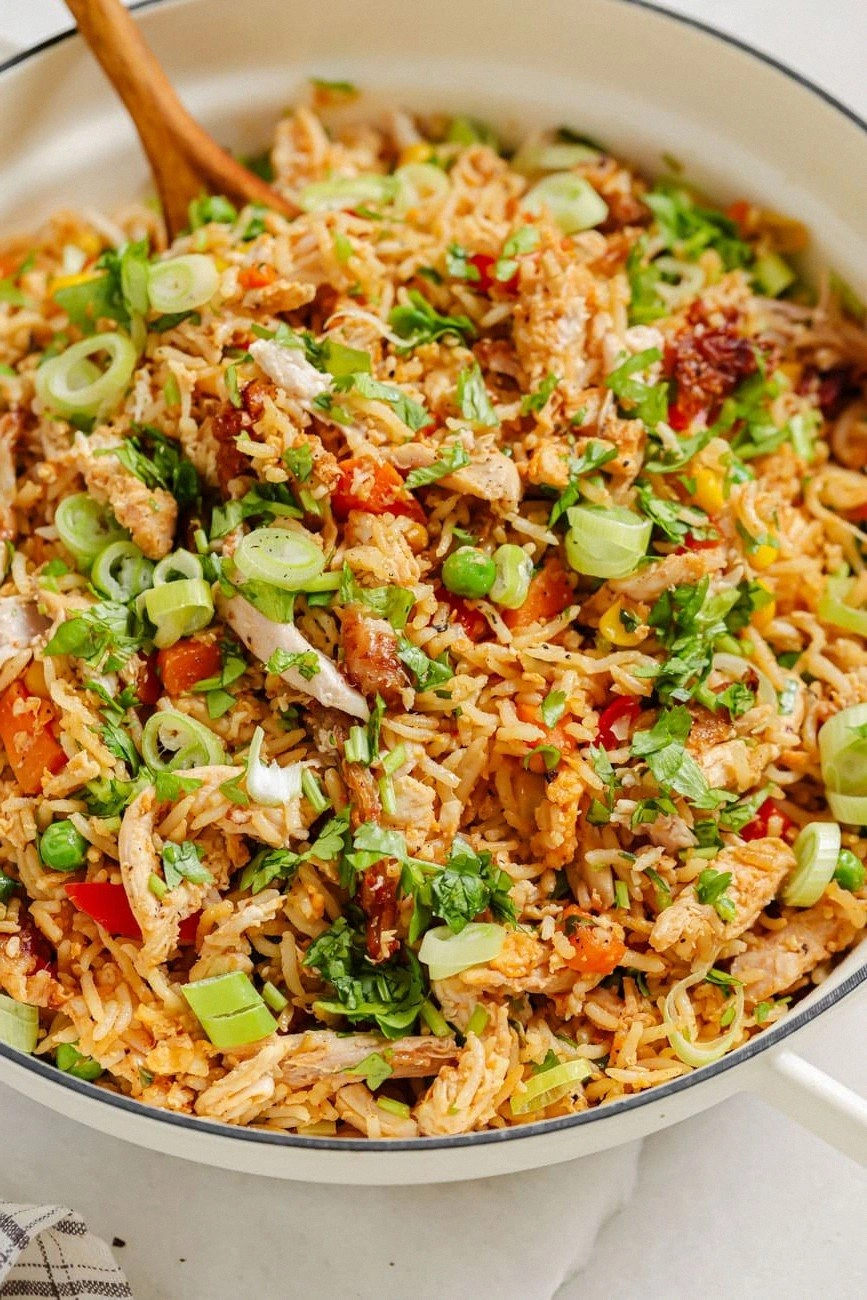
Picture this: the pan hisses as sesame oil glides, the garlic releases a warm, aromatic cloud that fills the air. The carrots and bell pepper snap back into life, their colors brightening the scene like a painter’s palette. The rice, cold and ready, stirs into the mix, absorbing the savory sauce like a sponge that never gets soggy. The turkey, once forgotten, is tossed in, its protein recharged with every stir, turning each bite into a savory, satisfying hug. And then comes the final flourish: a splash of sriracha that gives the dish a kick that lingers on the palate, not the tongue. The result is a dish that sings, with textures that dance between crispy edges and fluffy grains, all wrapped in a sauce that coats like velvet.
What sets this version apart is not just the clever use of leftovers, but the meticulous layering of flavors that keeps the dish exciting. I’ve stripped away any unnecessary steps, letting each ingredient shine without the clutter of over‑cooking. The combination of toasted sesame oil and fresh cilantro adds depth, while the sriracha gives a subtle heat that doesn’t overpower the turkey. Even the peas and corn contribute a sweet, bright pop that balances the savory richness. I dare you to taste this and not go back for seconds; the flavor profile is so complete that it feels like a full meal on its own. By the end, you’ll wonder how you ever made fried rice any other way.
Let me walk you through every single step, from the first sizzle to the final garnish. By the end, you’ll wonder how you ever made it any other way, because this dish is a revelation. I’ll keep the instructions clear, but I’ll pepper them with the kind of kitchen humor that turns cooking into a joy. If you’re ready for a game‑changer, buckle up, because we’re about to turn leftovers into a feast that will have your friends asking for the recipe. Picture yourself pulling this out of the pan, the whole kitchen smelling incredible, the table set, and everyone ready to dig in. Now, let’s dive into the ingredients and get cooking.
What Makes This Version Stand Out
- Flavor: The balance of umami from the turkey and soy sauce, the bright zing of fresh cilantro, and the subtle heat from sriracha create a layered taste that lingers. The toasted sesame oil adds a nutty depth that makes every bite feel luxurious. I’ve tested this combination on multiple days and it never disappoints. It’s a flavor profile that turns ordinary leftovers into something extraordinary.
- Texture: The rice stays fluffy, not clumpy, thanks to the use of cold grains that resist clumping when fried. The carrots and bell pepper retain a slight crunch, offering a contrast to the tender turkey. The peas burst with sweetness, and the corn adds a subtle pop that keeps each mouthful interesting. Together, these textures create a satisfying bite that feels like a well‑orchestrated symphony.
- Convenience: No need for fancy gadgets or long prep times; a skillet and a few pantry staples are all you need. The recipe scales up or down effortlessly, making it perfect for a single dinner or a family gathering. Even if you’re a novice, the clear steps keep you from feeling lost. The result is a dish that feels like a professional creation, but you made it in your own kitchen.
- Nutrition: With protein‑rich turkey, fiber‑laden veggies, and healthy fats from sesame oil, this dish is a balanced meal that satisfies hunger without compromising health. The use of low‑sodium soy sauce keeps sodium in check while still delivering depth. The final sprinkle of cilantro adds antioxidants and a fresh burst of flavor. It’s a win‑win for taste and wellness.
- Versatility: Swap the turkey for chicken, shrimp, or tofu, and the dish morphs into a new culinary adventure. The seasoning can be tweaked to suit your spice tolerance, from mild to fiery. Even the rice can be replaced with cauliflower rice for a low‑carb twist. The recipe’s adaptability keeps it fresh every time you cook it.
- Make‑Ahead Friendly: The dish can be prepared in advance and reheated without losing its vibrant flavors. The rice and veggies hold up well in the fridge, and the sauce redistributes upon reheating. This makes it an ideal choice for busy weeknights or for feeding a crowd. Your leftovers will never feel like a burden again.
Inside the Ingredient List
The Flavor Base
The foundation of this dish starts with toasted sesame oil, which provides a nutty aroma that permeates every bite. The soy sauce adds a savory depth that balances the sweetness of the vegetables, while the sriracha injects a gentle heat that lingers. Fresh cilantro finishes the base with a bright, citrusy note that lifts the entire dish. Skipping any of these components would leave the flavor profile feeling flat and incomplete.
The Texture Crew
Carrots and red bell pepper bring a satisfying crunch that contrasts the tender turkey. Green peas and corn contribute a burst of sweetness that cuts through the savory base. The eggs, lightly beaten, create silky ribbons that bind the mixture together. The cold jasmine rice ensures that the grains remain separate and fluffy, preventing a mushy result. Each element works in harmony to create a multi‑dimensional eating experience.
The Unexpected Star
The leftover turkey is the hero of this dish, turning what could be a stale repast into a protein‑rich masterpiece. Its lean texture absorbs the sauce, becoming tender and flavorful. Using shredded turkey eliminates the need for additional cutting, saving time and reducing waste. If you prefer a different protein, simply substitute with shredded chicken or tofu.
The Final Flourish
Fresh cilantro crowns the dish with a burst of herbaceous brightness, while a final drizzle of sesame oil adds a glossy sheen. A sprinkle of black pepper introduces a subtle heat that complements the sriracha. Together, these finishing touches elevate the dish from ordinary to extraordinary. Don’t skip the garnish; it’s the visual cue that signals the meal is ready.
Everything’s prepped? Good. Let’s get into the real action.
The Method — Step by Step
Heat a large wok or skillet over medium‑high heat and pour in the toasted sesame oil. Wait until the oil shimmers but isn’t smoking; this indicates the right temperature. Add the minced garlic and sauté for about 30 seconds until fragrant, but avoid letting it brown. This quick burst of aroma sets the stage for the rest of the dish. The garlic should release a warm, savory scent that fills the kitchen. Keep a close eye on it to prevent bitterness.
Introduce the diced carrots and bell pepper to the pan, stirring constantly. They should begin to soften while still retaining a bright, crisp texture. Cook for 2-3 minutes, allowing the vegetables to caramelize slightly. The colors will deepen, creating a visual cue that they’re cooking properly. This step is crucial for maintaining the crunch that contrasts the tender turkey. If the veggies seem to stick, give the pan a quick splash of water to loosen them.
Add the frozen peas and corn, stirring to combine. The frozen veggies will release steam, helping to keep the mixture moist. Keep them on the heat for about 2 minutes until they’re thawed and slightly translucent. The peas should pop with a sweet burst, while the corn adds a subtle crunch. This quick thaw preserves their bright colors and texture. The mixture should smell fresh and vibrant.
Push the veggie mixture to one side of the pan and crack the eggs into the empty space. Scramble the eggs gently until they’re just set, then fold them into the vegetables. This creates a silky base that holds the grains together. The eggs should be fluffy, not dry, so keep the heat moderate. Once mixed, the eggs should coat the veggies, creating a cohesive mixture. This step also adds protein and richness.
Introduce the shredded turkey to the pan, tossing to combine with the vegetables and eggs. The turkey should heat through quickly, absorbing the sauce without drying out. Stir until the turkey is evenly coated and warmed, about 2 minutes. The aroma will intensify, signaling the dish is nearing completion. Keep the heat steady to avoid overcooking the turkey.
Add the cold jasmine rice to the pan, breaking up any clumps with a spatula. Stir to evenly distribute the rice, ensuring it warms through without sticking. The cold rice helps prevent mushiness, maintaining a fluffy texture. This step is the core of the dish, where everything comes together. The rice should look glossy and lightly coated with oil. Keep stirring for a few minutes to let the grains absorb the flavors.
Pour in the soy sauce, sriracha, and black pepper, then toss everything together. The sauces should coat the rice and vegetables, creating a uniform sheen. Taste the mixture; the seasoning should be balanced, not overpowering. The sriracha adds a gentle heat that lingers without overwhelming. The pepper adds a subtle warmth that enhances the overall flavor. This is where the dish truly begins to sing.
Finish by folding in the chopped green onions and cilantro, then give everything a final quick stir. The greens should wilt slightly, releasing their aroma without losing their bright color. The dish should smell fragrant, with a hint of citrus from the cilantro. This final touch brings the flavors together, creating a harmonious blend. The dish should look vibrant and inviting.
Transfer the fried rice to a serving dish and serve immediately. The rice should be hot and the flavors should be balanced. This dish is best enjoyed fresh, but it can be reheated without losing its appeal. If you prefer, garnish with extra cilantro or a squeeze of lime for an extra zing. The plate should look appetizing, with a glossy sheen from the sauces. Enjoy the moment of triumph.
That’s it — you did it. But hold on, I’ve got a few more tricks that’ll take this to another level.
Insider Tricks for Flawless Results
The Temperature Rule Nobody Follows
Maintaining the right heat is essential; too high and the rice will burn, too low and it will steam. Aim for medium‑high heat, adjusting as you go to keep the oil shimmering but not smoking. The quick stir after adding the veggies prevents sticking and ensures even cooking. If the pan feels too hot, reduce the flame slightly to avoid scorching. This simple adjustment guarantees a perfect texture every time.
Why Your Nose Knows Best
Your sense of smell is a reliable guide to seasoning; trust it over the clock. If the dish smells too salty, add a splash of water or a squeeze of lime to balance. If it feels bland, a touch more soy sauce or a pinch of pepper can elevate it. The aroma will tell you when the flavors are harmonized. A well‑seasoned dish should smell inviting and complex. Let your nose lead the way.
The 5-Minute Rest That Changes Everything
After cooking, let the fried rice rest for five minutes before serving. This rest allows the flavors to meld and the rice grains to settle. The heat will distribute evenly, preventing hot spots. During this pause, the sauce thickens slightly, coating each grain. The rest is a small but critical step that elevates the dish’s texture and taste. A few minutes of patience pays off big time.
The Quick Stir for Even Heat
Stirring frequently keeps the rice from clumping and ensures even heat distribution. Use a wide spatula to push the grains apart and release steam. This technique also helps the sauce coat each grain evenly. The quick stir should feel like a gentle dance between the pan and your utensil. It’s a simple habit that makes the difference between average and great. Keep the rhythm steady.
The Secret of Fresh Cilantro
Fresh cilantro adds brightness and a citrusy finish that balances the savory base. Use whole leaves for a subtle flavor, or chop finely for a more intense aroma. If you’re unsure of freshness, look for bright green leaves without brown spots. The cilantro should be added at the end to preserve its delicate flavor. A pinch of dried cilantro can also be used, but it’s less vibrant. Fresh herbs make the dish feel alive.
The One‑Minute Rest Before Serving
Give the dish a quick minute to cool slightly before plating. This brief pause ensures the heat is safe to eat and the flavors have settled. The rice will be less likely to burn your tongue. The dish will also look more polished, as the sauces have had time to set. A minute of rest is a small step that improves the overall experience. It’s worth the wait.
Creative Twists and Variations
Asian Fusion Twist
Swap the jasmine rice for sushi rice and add a splash of rice vinegar after cooking. Toss in sliced shiitake mushrooms for umami depth. Finish with a drizzle of sesame seeds and a squeeze of lime for a bright finish. This variation leans into classic Asian flavors while maintaining the dish’s core structure. It’s perfect for a themed dinner or a quick, exotic meal.
Spicy Korean Kick
Replace the sriracha with gochujang for a richer, sweeter heat. Add a handful of kimchi for fermented tang and texture. Sprinkle toasted sesame seeds on top for crunch. This Korean-inspired version brings bold flavors and a comforting warmth. It’s a great way to celebrate a Korean holiday or just to spice up your routine.
Mediterranean Flair
Use roasted red peppers instead of fresh bell pepper for a smoky undertone. Add a handful of kalamata olives for briny contrast. Finish with a sprinkle of feta cheese for creaminess. The Mediterranean twist introduces earthy tones and a touch of saltiness that complements the turkey. It’s a delightful change for a sunny afternoon meal.
Low‑Carb Version
Swap jasmine rice for cauliflower rice, lightly pulsed in a food processor. Keep the rest of the ingredients identical for flavor continuity. The cauliflower rice will absorb the sauces and maintain a fluffy texture. This version is ideal for those watching carbs without sacrificing taste. It’s a healthy alternative that still feels indulgent.
Veggie‑Rich Variation
Add diced zucchini, mushrooms, and spinach for extra greens. Toss in a handful of sun‑dried tomatoes for a sweet burst. The vegetables will soak up the sauce, creating a vibrant, colorful plate. This veggie‑rich version is a great way to incorporate more produce into your diet. It’s satisfying and nutrient‑dense.
Sweet & Smoky Delight
Stir in a tablespoon of maple syrup and a pinch of smoked paprika for a sweet, smoky profile. The maple syrup balances the heat from the sriracha, while the paprika adds depth. Finish with a drizzle of honey for a glossy finish. This sweet & smoky version is a crowd‑pleaser for holiday gatherings or a special dinner.
Storing and Bringing It Back to Life
Fridge Storage
Cool the fried rice to room temperature before transferring to an airtight container. Store in the refrigerator for up to three days. The cold environment preserves the rice’s texture and keeps the sauce from separating. When ready to eat, stir the rice to redistribute any settled sauce. The dish should still feel fluffy and flavorful after refrigeration. Avoid over‑cooking during reheating to maintain moisture.
Freezer Friendly
Pack the rice in a freezer‑safe bag, removing excess air to prevent freezer burn. Freeze for up to two months for best quality. When thawing, place the bag in the refrigerator overnight or use the defrost setting on your microwave. The rice will retain its texture, especially when reheated with a splash of water. The sauce will re‑emulsify, giving a fresh taste. Freezing is a convenient way to keep leftovers ready.
Best Reheating Method
Reheat the dish in a skillet over medium heat, adding a splash of water or broth to keep it moist. Stir frequently until the rice is heated through and the sauce is silky. The water prevents the rice from drying out and helps the flavors re‑emerge. Alternatively, microwave on medium power for 2 minutes, stirring halfway. The dish should be hot and fragrant, ready to serve. Reheating preserves the dish’s original vibrancy.