Ever been in the middle of a Sunday dinner, feeling the heat of the oven, and then realized the marinara sauce you’re using is as bland as a beige wall? That was me last week, and I was about to give up on my “classic stuffed shells” until a friend whispered, “Try adding sun‑dried tomatoes and ricotta.” I was skeptical, but the aroma that hit the kitchen when I tossed the tomatoes into the sauce was instant fireworks. The bright, sun‑kissed burst of flavor was a game‑changer, and the creamy ricotta turned each shell into a silky pocket of indulgence.
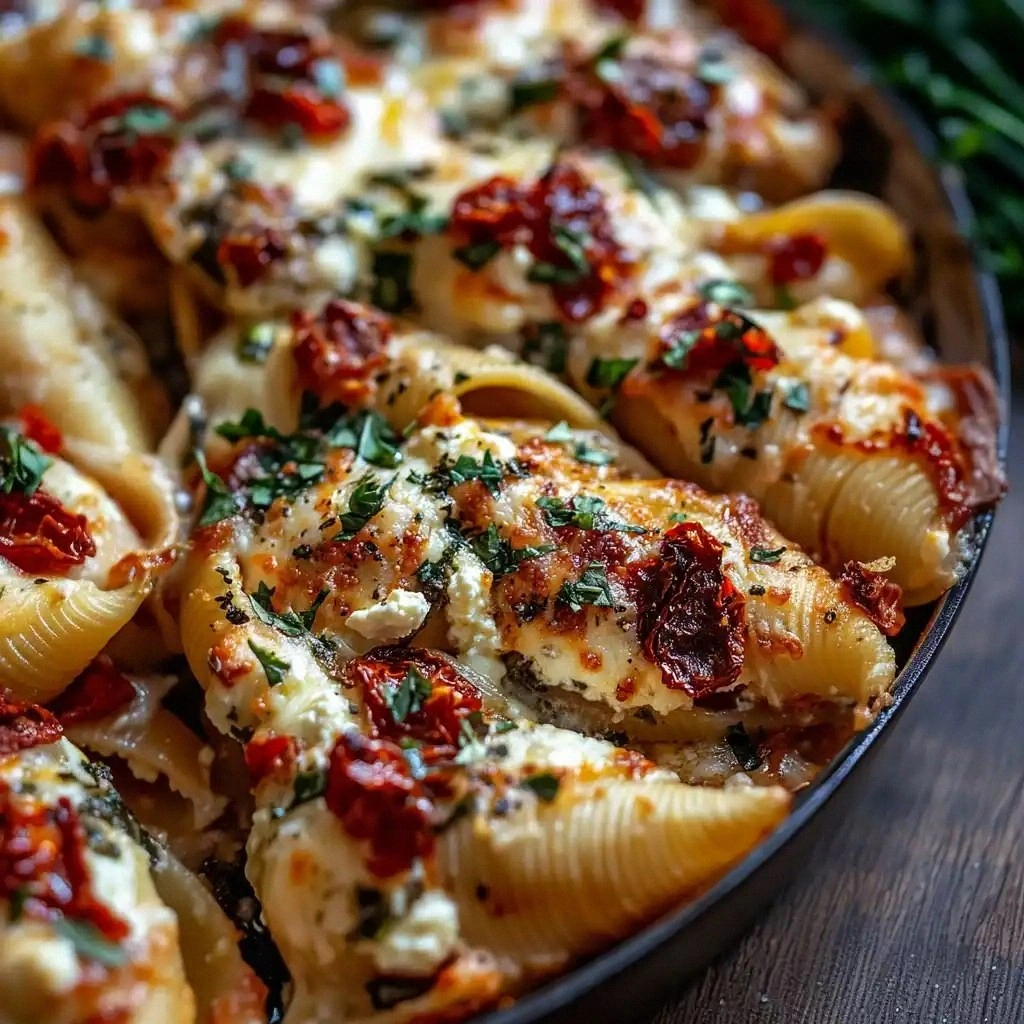
Picture this: the kitchen humming, the stovetop sizzling, a pot of marinara bubbling like a small, savory volcano. The scent of garlic and oregano wafts through the air, mingling with the sweet, caramelized notes of sun‑dried tomatoes. When you break open a shell, the interior is a cloud of fluffy ricotta, melted mozzarella, and a whisper of Parmesan, all bound together by a glossy sauce that coats the pasta like velvet. The first bite is a harmonious blend of salty, tangy, and subtly sweet, with a gentle heat from a pinch of red pepper flakes. It’s a dish that feels like a hug in a bowl, but with a bold, unmistakable Italian flair that makes every forkful worth a second look.
This isn’t just another stuffed shell recipe. The secret lies in the balance: the sun‑dried tomatoes bring a concentrated tomato flavor, the ricotta adds a silky texture, and the blend of Italian seasoning, basil, and oregano gives it an aromatic depth that most versions lack. I dare you to taste this and not go back for seconds. Most recipes get this completely wrong—flavorless, dry, or over‑cheesy. Here’s what actually works: a careful layering of ingredients, a short, controlled bake, and a final flourish of fresh basil and Parmesan that lifts the dish to another level.
Let me walk you through every single step — by the end, you’ll wonder how you ever made it any other way. I’ve tweaked this recipe to keep it simple for the busy weeknight while still delivering a show‑stopper that feels like a special occasion. The result? A dish that’s hands down the best version you’ll ever make at home, and I’ll be honest — I ate half the batch before anyone else got to try it. If you’ve ever struggled with stuffed shells, you’re not alone — and I’ve got the fix.
What Makes This Version Stand Out
- Flavor: The sun‑dried tomatoes give a deep, sweet tomato punch that cuts through the richness of the ricotta, creating a balanced taste profile that’s both comforting and vibrant.
- Texture: The ricotta and mozzarella blend to a creamy consistency that melts in your mouth, while the pasta shells hold their shape perfectly, giving a satisfying bite.
- Visual Appeal: A golden crust forms on the top, and fresh basil leaves add a splash of green, making the dish look as good as it tastes.
- Ingredient Quality: Using fresh, high‑quality ingredients—especially the sun‑dried tomatoes—transforms a simple recipe into a gourmet experience.
- Time Efficiency: The method is streamlined: boil shells, mix filling, bake—no extra steps, no wasted time.
- Make‑Ahead Potential: You can assemble the shells a day ahead, cover, and refrigerate; just bake when ready.
- Versatility: The base can be customized with different cheeses or meats, making it a canvas for your culinary creativity.
Alright, let's break down exactly what goes into this masterpiece…
Inside the Ingredient List
The Flavor Base
Marinara sauce is the foundation that carries the entire dish. Opt for a high‑quality jar or homemade sauce to avoid the artificial additives that can ruin the taste. If you skip it, the shells will lack depth, turning the dish into a bland pasta bake. A good tip: simmer the sauce for 10 minutes to let the flavors meld before adding the sun‑dried tomatoes.
Sun‑dried tomatoes bring a concentrated, sweet, almost caramelized tomato essence. They’re packed with umami and provide a natural sweetness that balances the acidity of the marinara. Skipping them would mean missing that bright, sun‑kissed note that defines this version. For a lighter version, use fresh tomatoes or a tomato puree, but you’ll lose that depth.
Garlic is the aromatic backbone. Minced or finely chopped, it releases a fragrant punch that lingers in every bite. If you’re allergic, a pinch of garlic powder will suffice, though it’s less vibrant. Remember: garlic should be sautéed briefly to avoid bitterness.
Italian seasoning is the secret to a cohesive flavor profile. It blends basil, oregano, thyme, and rosemary into a single, balanced herbaceous note. Skipping it can leave the dish feeling disjointed. A small pinch of fresh herbs can also work, but the pre‑blended seasoning provides consistency.
The Texture Crew
Ricotta cheese is the creamy heart of the filling. Its mild, slightly sweet flavor pairs perfectly with the tomato base. If you can’t find ricotta, cottage cheese works as a low‑fat alternative, but the texture will be chunkier.
Mozzarella adds a gooey, melty component that creates a satisfying stretch when you cut into the shells. A blend of shredded mozzarella and a touch of provolone adds depth. If you prefer a sharper flavor, use part mozzarella, part sharp cheddar.
Grated Parmesan provides a salty, nutty finish that rounds out the richness. It also contributes a slight crunch to the top crust. You can substitute Pecorino Romano for a sharper, saltier bite.
Egg binds the filling together, ensuring the shells don’t fall apart during baking. It also adds a subtle richness. If you’re avoiding eggs, a splash of milk or a tablespoon of flour can act as a binder, though the texture will differ.
The Unexpected Star
Red pepper flakes introduce a gentle heat that awakens the palate. They’re essential for that subtle kick that makes the dish memorable. If you’re heat‑averse, reduce to a quarter teaspoon or omit entirely.
Olive oil is the final touch that brings all components together, adding silky richness and preventing the filling from drying out. Use extra‑virgin olive oil for maximum flavor; a lighter oil can be substituted if you’re watching calories.
The Final Flourish
Fresh basil leaves add a burst of herbal freshness that lifts the dish. They’re best added just before serving to preserve their bright green color and aroma. If fresh basil is out of season, dried basil works, but you’ll lose that fresh bite.
Dried oregano and dried basil are the subtle background notes that deepen the sauce’s complexity. They’re essential for a well‑rounded Italian flavor. If you have a fresh herb mix, feel free to use it instead; just adjust quantities accordingly.
Extra Parmesan on top creates a golden crust that’s both crispy and flavorful. It also adds a savory finish. You can sprinkle it with a pinch of crushed red pepper for an extra pop.
Everything's prepped? Good. Let's get into the real action…
The Method — Step by Step
- Bring a large pot of salted water to a rolling boil. Add the jumbo pasta shells and cook until al dente, about 8 minutes. Drain, then rinse with cold water to halt the cooking process and prevent sticking. Toss the shells in a light drizzle of olive oil so they stay separate. This step is crucial; if the shells stick together, the filling will be uneven.
- While the shells are boiling, heat a skillet over medium heat. Add a splash of olive oil and sauté minced garlic for 30 seconds until fragrant. Be careful not to burn it; garlic turns bitter quickly. Add the sun‑dried tomatoes, breaking them into smaller pieces, and cook for another minute. This releases their natural sweetness and reduces any sharpness.
- Pour the marinara sauce into the skillet, stir in the Italian seasoning, dried basil, and dried oregano. Let the sauce simmer for 5 minutes to meld flavors. Taste and adjust salt if needed. The sauce should thicken slightly and develop a glossy sheen.
- In a large bowl, combine the ricotta, shredded mozzarella, grated Parmesan, egg, black pepper, and red pepper flakes. Mix until smooth and well‑combined. The egg is the glue; without it, the filling will separate during baking.
- Fold the cooked shells into the sauce, ensuring each shell is coated. Then gently fold in the cheese mixture, taking care not to overmix. Overmixing can make the filling rubbery. The goal is a creamy, cohesive filling that clings to each shell.
- Preheat the oven to 375°F (190°C). Lightly grease a 9x13 inch baking dish with a tablespoon of olive oil. Pour the shell mixture into the dish, spreading evenly. Sprinkle extra Parmesan on top for a golden crust.
- Bake for 30 minutes, or until the top is bubbling and golden. The edges of the shells should start pulling away slightly, indicating they’re ready. The filling should be set but still tender.
- Let the dish rest for 5 minutes before serving. This allows the filling to set, making it easier to cut. Garnish with fresh basil leaves and a drizzle of olive oil. Serve hot, and watch the steam rise like a savory cloud.
That's it — you did it. But hold on, I've got a few more tricks that'll take this to another level…
Insider Tricks for Flawless Results
The Temperature Rule Nobody Follows
Many people bake at 350°F, but 375°F is the sweet spot for a golden crust without burning. The higher temperature ensures the cheese melts evenly while the shells stay tender. If your oven runs hot, lower the temperature by 25°F and add a few extra minutes.
Why Your Nose Knows Best
Smell the sauce as it simmers; it should develop a rich, roasted aroma. If it still smells raw, let it cook a bit longer. The scent is a reliable indicator of flavor depth.
The 5-Minute Rest That Changes Everything
After baking, let the dish sit for 5 minutes. This rest period allows the filling to set, preventing it from spilling over when you cut. It also lets the flavors meld further, giving a richer taste.
Don’t Skimp on the Olive Oil
A drizzle of high‑quality extra‑virgin olive oil before serving adds a silky finish and enhances the herbal notes. It also helps the Parmesan crust stay crisp.
Keep the Shells Separate
Rinse the cooked shells with cold water and toss with a light oil coating before mixing. This stops them from sticking together and ensures each shell is filled evenly.
Use a Baking Dish with a Liner
Line the baking dish with parchment paper to prevent sticking and make cleanup a breeze. It also helps the top crust brown evenly.
Creative Twists and Variations
Spinach & Feta Surprise
Swap ricotta for a mixture of fresh spinach and crumbled feta. The spinach adds a subtle earthiness, while feta brings a tangy punch that contrasts the sweet sun‑dried tomatoes.
Meat Lover’s Edition
Add cooked ground beef or Italian sausage to the filling for a hearty, protein‑rich version. The meat’s savory flavor pairs beautifully with the tomato base.
Vegan Version
Replace ricotta with a cashew‑based cream, use dairy‑free mozzarella, and omit the egg. The result is a creamy, plant‑based dish that still feels indulgent.
Low‑Carb Twist
Use spiralized zucchini or shirataki noodles instead of shells. The texture changes but the sauce and cheese combo remains comforting.
Spicy Sriracha Kick
Stir in a tablespoon of sriracha into the sauce for a fiery, umami boost. The heat will linger, giving the dish an extra zing.
Herb‑Infused Cream
Blend fresh herbs—rosemary, thyme, and parsley—into the ricotta mixture. This elevates the dish with a fragrant, garden‑fresh aroma.
Storing and Bringing It Back to Life
Fridge Storage
Cool the baked shells completely, then cover tightly with plastic wrap or foil. Store in the refrigerator for up to 3 days. When reheating, add a splash of water or sauce to keep the filling moist.
Freezer Friendly
Pack the unbaked shells in a freezer‑safe bag, leaving a small space for expansion. They’ll keep for up to 3 months. Thaw overnight in the refrigerator before baking.
Best Reheating Method
Reheat in a preheated oven at 350°F for 15 minutes, or until heated through. A quick microwave can also work, but the oven preserves the crisp crust.