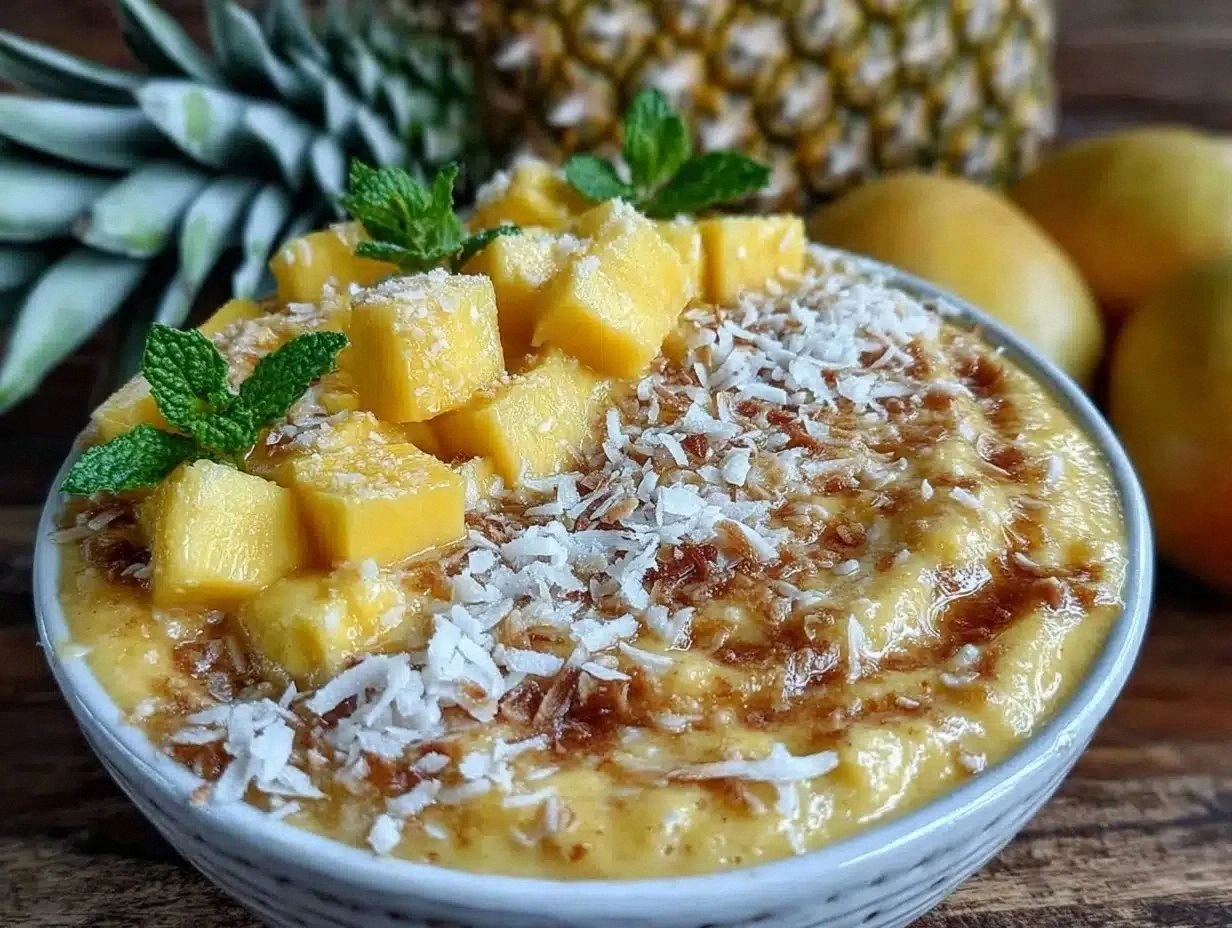
Salmon Bowl with Honey Mustard
It was a rainy Thursday night, the kind of evening that makes you feel like a culinary daredevil. I stared at a half‑cooked salmon fillet on the counter, the aroma of fish mingling with the faint scent of rain on asphalt. My friend had just challenged me to create a bowl that would make the whole neighborhood jealous, and I was already thinking of a sauce that could sing louder than a choir of sirens. That moment set the stage for the recipe that would soon become my kitchen anthem.
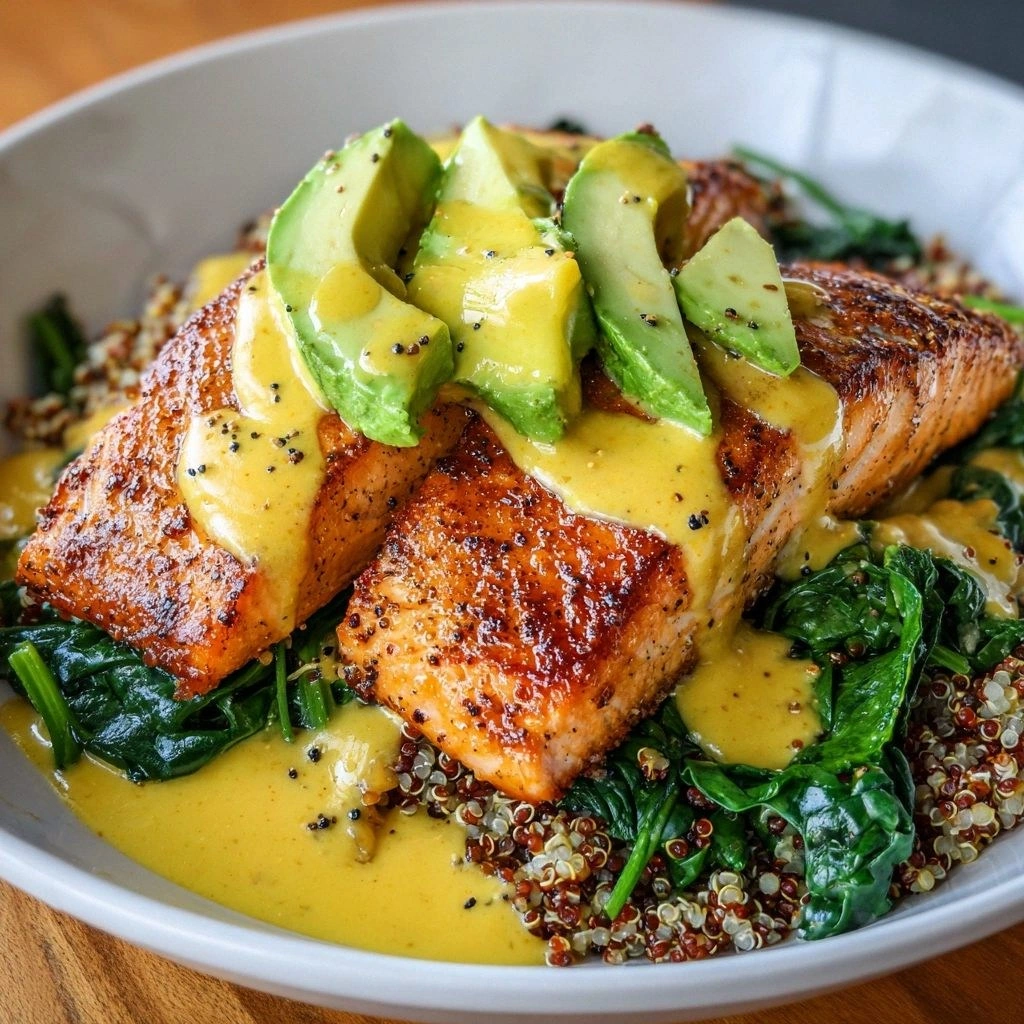
Picture this: a plate brimming with fluffy quinoa, bright green spinach leaves, buttery avocado slices, and a salmon fillet that sizzles with a golden crust. The kitchen fills with the sizzling sound of the fish hitting the pan, a deep, savory aroma that drifts through every corner. The sauce—honey and Dijon mustard—glides over the salmon like a silky ribbon, its sweet tang dancing on your palate. The visual contrast of the vibrant greens against the pale fish is almost hypnotic, and the texture of the creamy avocado offers a satisfying counterpoint to the crisp edges of the salmon.
What makes this version of the bowl stand out is not just the ingredients, but the way they come together in a harmonious medley of flavors and textures. I dare you to taste this and not go back for seconds—once you try it, the temptation will be relentless. The sauce coats the salmon like velvet, while the quinoa stays fluffy and light, providing a sturdy foundation that doesn't overwhelm the delicate fish. And the best part? The dish is simple enough that even a novice can pull it off, yet sophisticated enough to wow any dinner guest.
There’s a twist you won’t expect: a splash of olive oil not only cooks the salmon to perfection but also helps the honey mustard sauce cling to every bite. The result is a bowl that feels like a culinary masterpiece, yet is built from pantry staples. Stay with me here—this is worth it. Let me walk you through every single step, and by the end, you’ll wonder how you ever made it any other way.
What Makes This Version Stand Out
- Flavor: The honey and Dijon mustard create a sweet‑savory balance that elevates the natural umami of salmon. The sauce is thick enough to cling to the fish without becoming syrupy, giving each bite a burst of flavor.
- Texture: The quinoa remains fluffy and airy, while the salmon develops a crispy exterior that shatters like thin ice when you bite. Avocado adds a silky, buttery finish that contrasts beautifully with the crunchy edges.
- Visual Appeal: A vibrant color palette of deep green spinach, bright orange avocado, and golden salmon draws the eye, making the dish as pleasing to look at as it is to eat.
- Health Factor: Omega‑3 rich salmon, fiber‑laden quinoa, and healthy fats from avocado and olive oil create a balanced, nutritious meal that feels indulgent without guilt.
- Time Efficiency: Prep takes 15 minutes, cook 30, and the whole thing is ready in under an hour—perfect for busy weeknights.
- Versatility: Swap quinoa for rice or farro, or use a different fish like tilapia for a lighter version. The sauce remains the same, ensuring consistency.
Alright, let's break down exactly what goes into this masterpiece...
Inside the Ingredient List
The Flavor Base
Salmon fillets are the star of this bowl. Fresh salmon delivers a buttery, silky texture, while frozen fillets can be just as delicious when thawed properly. If you skip the salmon, the dish loses its heart; the sauce would otherwise taste like an empty promise. A good rule of thumb is to look for fillets that are firm to the touch, with a bright, slightly translucent flesh.
The Texture Crew
Quinoa is the backbone of the bowl. Its nutty flavor and fluffy consistency provide a satisfying bite that holds up against the moist salmon. Spinach adds a pop of color and a gentle earthy undertone, while avocado brings creamy richness that balances the dish’s overall texture. If you prefer a crunch, a handful of toasted almonds or sunflower seeds works wonders.
The Unexpected Star
Honey is the secret sweetener that turns a simple sauce into a velvety glaze. It caramelizes slightly when heated, giving the sauce a subtle depth of flavor. Dijon mustard adds a zesty kick, cutting through the sweetness and preventing the sauce from becoming cloying. Together, they create a sauce that coats the salmon like velvet.
The Final Flourish
Olive oil is the unsung hero that brings everything together. It prevents the salmon from sticking, gives the quinoa a silky finish, and helps the sauce spread evenly. Salt and pepper are essential; they elevate the natural flavors of each component. If you’re watching sodium, a pinch of sea salt and freshly cracked pepper is enough to make the dish pop.
Everything's prepped? Good. Let's get into the real action...
The Method — Step by Step
- Start by rinsing one cup of quinoa under cold water to remove its natural bitter coating. Bring 2 cups of water to a boil in a medium saucepan, then stir in the quinoa, reduce heat to low, cover, and let simmer for 15 minutes. The quinoa should be fluffy and the grains separate easily. This is the moment the kitchen smells like fresh earth and anticipation.
- While the quinoa cooks, heat a tablespoon of olive oil in a large skillet over medium‑high heat. Season the four salmon fillets with salt and pepper, then place them skin‑side down in the pan. Let them sear for 3–4 minutes until the skin turns a crisp, golden brown. Flip and cook the other side for 2–3 minutes; the salmon should be opaque but still slightly pink in the center. That sizzle when it hits the pan? Absolute perfection.
- Remove the salmon from the skillet and set aside. In the same pan, add another tablespoon of olive oil and toss in four cups of fresh spinach. Sauté for 1–2 minutes until the leaves wilt but still retain a bright green hue. The spinach will release a subtle, almost sweet aroma that complements the fish.
- While the spinach cooks, prepare the honey mustard sauce. In a small bowl, whisk together two tablespoons of honey, two tablespoons of Dijon mustard, and a splash of olive oil until the mixture is smooth and slightly glossy. The sauce should coat the back of a spoon without dripping. This glaze will be the sweet, tangy highlight that ties everything together.
- Add the salmon fillets back into the skillet, skin side up, and spoon the honey mustard sauce over each piece. Reduce heat to medium and let the fillets simmer in the glaze for 3 minutes, turning once to ensure even coating. The sauce should thicken just enough to cling to the fish, creating a glossy, caramelized finish.
- Slice two ripe avocados into thick wedges. The creamy texture of avocado pairs wonderfully with the buttery salmon, creating a contrast that is both luxurious and comforting. The avocado’s subtle peppery flavor also enhances the dish’s overall taste profile.
- To assemble the bowl, divide the cooked quinoa evenly among four bowls. Top each with a handful of wilted spinach, a salmon fillet, a few avocado wedges, and a drizzle of the remaining honey mustard sauce. Garnish with a sprinkle of freshly cracked pepper or a few lemon zest curls for an extra burst of brightness.
- Serve immediately, letting the warm salmon mingle with the cool avocado. The contrast of temperatures is a sensory delight—warm, savory fish against cool, buttery avocado. The bowl should look vibrant and inviting, ready to be devoured.
That's it — you did it. But hold on, I've got a few more tricks that'll take this to another level...
Insider Tricks for Flawless Results
The Temperature Rule Nobody Follows
Many cooks assume that high heat is always better for searing salmon. In reality, a moderate temperature allows the fillet to develop a golden crust while keeping the interior moist. I once cooked salmon at too high a heat, and it turned out dry and chewy. Next time, lower the heat to medium‑high and watch the salmon sizzle without burning.
Why Your Nose Knows Best
Trust your sense of smell when cooking. If the salmon starts to emit a burnt or overly fishy odor, reduce the heat immediately. A subtle, fresh scent indicates that the fish is cooking evenly and staying tender.
The 5‑Minute Rest That Changes Everything
After the salmon finishes cooking, let it rest for five minutes before slicing. This allows the juices to redistribute, ensuring every bite is juicy and flavorful. A friend once skipped this step and the fish tasted dry; I learned the hard way.
Use a Non‑Stick Skillet for Easy Cleanup
A high‑quality non‑stick skillet not only prevents the salmon from sticking but also reduces the amount of oil needed. Less oil means a lighter dish that still tastes rich and satisfying.
Keep the Avocado Fresh
Avocado browns quickly when exposed to air. To keep it fresh, toss the slices with a little lemon juice or vinegar before adding them to the bowl. The acid slows oxidation and keeps the color bright.
Let the Sauce Settle Before Serving
Let the honey mustard glaze sit for a minute after cooking; it will thicken slightly and coat the salmon even better. This small waiting period makes the sauce cling to the fish like a second skin, enhancing every bite.
Creative Twists and Variations
Asian Fusion Bowl
Swap quinoa for jasmine rice and drizzle a splash of soy sauce over the salmon. Add a handful of sliced cucumber, pickled ginger, and a sprinkle of sesame seeds. This version brings a subtle umami kick and a crunchy texture that complements the creamy avocado.
Spicy Kick
Incorporate a teaspoon of sriracha into the honey mustard sauce for heat. Top the bowl with a sprinkle of crushed red pepper flakes and a few jalapeño slices. The fiery contrast will excite your taste buds and make the dish memorable.
Veggie‑Rich Power Bowl
Add roasted sweet potatoes, shredded carrots, and a handful of arugula to the mix. These extras bring sweetness, crunch, and a peppery bite that balances the richness of the salmon. The bowl becomes a colorful, nutrient‑dense meal.
Low‑Carb Version
Replace quinoa with cauliflower rice and use a smaller portion of avocado. The dish stays low in carbohydrates while still delivering the same mouth‑watering flavors and textures. Great for those following a keto or paleo diet.
Breakfast Bowl
Swap salmon for a poached egg and use sautéed spinach as the base. Add a dollop of Greek yogurt and a drizzle of honey mustard sauce. This version turns the bowl into a protein‑rich breakfast that keeps you full until lunch.
Plant‑Based Swap
Replace salmon with marinated tofu cubes and use a vegan honey substitute. The tofu will absorb the sauce, and the avocado will still provide that creamy texture. The result is a hearty, plant‑based bowl that satisfies any dietary preference.
Storing and Bringing It Back to Life
Fridge Storage
Store any leftovers in an airtight container in the refrigerator for up to two days. Keep the salmon and avocado separate until ready to serve to preserve texture. The quinoa will stay fluffy if covered loosely.
Freezer Friendly
For longer storage, freeze the cooked quinoa and spinach separately in freezer bags. The salmon can be frozen in a sealed bag for up to one month. When ready to eat, thaw overnight in the fridge and reheat gently.
Best Reheating Method
To reheat, place the quinoa and spinach in a microwave‑safe bowl, add a splash of water, cover, and heat for two minutes. Warm the salmon in a skillet over low heat with a teaspoon of olive oil until heated through. A tiny splash of water before reheating steams the grains back to perfection, keeping them from drying out.