I was halfway through a week of bland, store‑bought soups when my stove decided to act like a drama queen, splattering oil onto the counter and sending a cloud of smoke that made my smoke alarm sound the alarm. The moment I realized the disaster was imminent, I remembered a recipe I’d seen on a foodie blog that promised roasted vegetables, and I thought, “Why not give this a shot before my kitchen turns into a fire scene?” The idea of turning a handful of veggies into a comforting, velvety bowl of flavor felt like a culinary rescue mission. I grabbed my apron, set the oven to 400°F, and let the adventure begin.
The kitchen filled with the aroma of caramelized onions and the sweet scent of bell peppers roasting to a golden hue. As the vegetables sizzled, a subtle crackle sounded like a tiny applause from the skillet. I could almost taste the first spoonful—a balance of smoky sweetness and earthy undertones that promised warmth. The texture of the roasted carrots, with their tender cores and crisp edges, felt like a gentle crunch in a sea of smoothness. The sound of the bubbling broth was a comforting lullaby that made the whole space feel alive.
What makes this version stand out from every other recipe out there is the way it layers flavor without overwhelming the palate. The use of San Marzano tomatoes gives a natural sweetness that cuts through the richness of olive oil and roasted veggies, while the Italian seasoning adds a fragrant kick that feels both rustic and refined. The combination of vegetables is carefully chosen to provide a spectrum of textures—crunchy, soft, and silky—all in one bowl. The recipe’s simplicity is deceptive; it requires only a handful of ingredients, yet the outcome is a symphony of taste that feels like a gourmet experience. I dare you to taste this and not go back for seconds, because the first bite will already have you craving the second.
Picture yourself pulling this out of the oven, the whole kitchen smelling incredible, and then seeing the steam rise like a cloud of culinary clouds. That’s the moment when the anticipation meets the reality of flavor. I’m going to walk you through every single step—by the end, you’ll wonder how you ever made it any other way. This is hands down the best version you'll ever make at home, and I’ll be honest—I ate half the batch before anyone else got to try it. Let’s dive in.
What Makes This Version Stand Out
- Taste: The roasted vegetables develop a deep, caramelized flavor that pairs beautifully with the acidity of San Marzano tomatoes. The subtle sweetness of the bell peppers balances the savory broth, creating a harmonious profile that satisfies the palate without being overpowering.
- Texture: The contrast between the crisp edges of the carrots and the silky smoothness of the pureed soup is intentional. Each bite offers a different mouthfeel, keeping the eating experience dynamic and engaging.
- Simplicity: With just a handful of ingredients, this soup is a masterclass in how less can be more. You’ll spend less time chopping and more time enjoying the result.
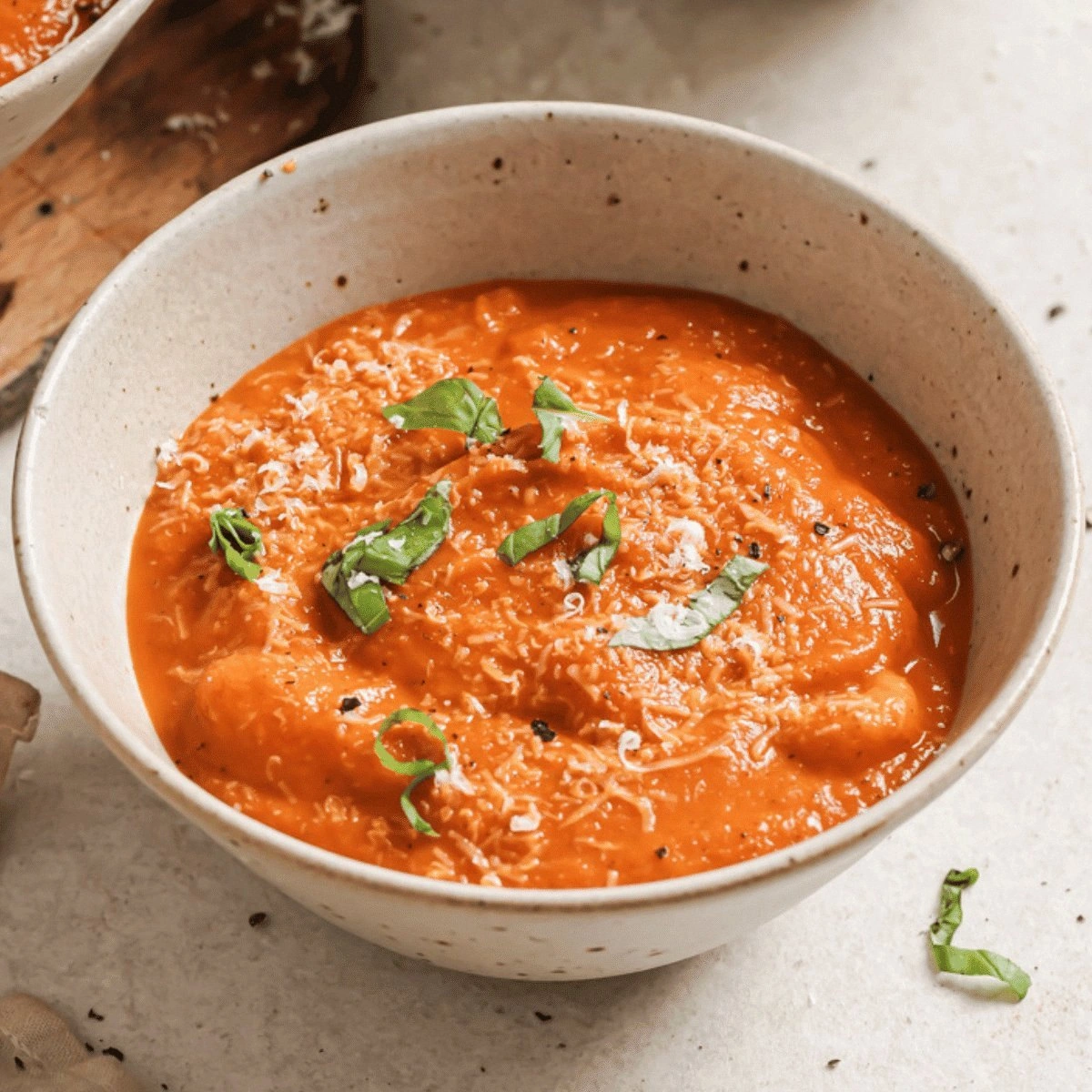
- Uniqueness: The addition of a splash of fresh basil and a grating of parmesan at the end adds a burst of freshness and umami that elevates the dish beyond ordinary roasted vegetable soups.
- Crowd Reaction: Friends and family often remark that this soup feels like a comforting hug in a bowl. It’s the kind of dish that turns a regular dinner into a memorable gathering.
- Ingredient Quality: Using high‑quality San Marzano tomatoes and fresh, organic vegetables gives the soup a depth that canned or frozen options can’t match.
- Cooking Method: Roasting first unlocks the natural sugars in the veggies, creating a flavor profile that simmering alone can’t achieve. The technique transforms simple ingredients into a luxurious experience.
- Make‑Ahead Potential: The soup keeps well, and its flavors actually improve after a day. It’s perfect for meal prep or for those nights when you’re short on time.
Inside the Ingredient List
The Flavor Base
The foundation of this soup starts with 1/2 cup of vegetable broth and 30 oz of San Marzano tomatoes. The broth adds depth without overpowering the tomato’s natural sweetness, while the tomatoes provide a bright, acidic counterpoint to the roasted vegetables. If you skip the broth, the soup will be thicker but lose that subtle savory base. A good quality broth is essential; a low‑sodium option keeps the flavor balanced.
The olive oil—2 tablespoons—acts as a medium for roasting, allowing the vegetables to caramelize evenly. It also contributes a silky mouthfeel to the finished soup. You can substitute avocado oil or grapeseed oil if you prefer a lighter taste, but the olive oil’s fruity undertones are part of the recipe’s signature flavor. The oil should be heated to medium heat before adding the veggies to ensure a perfect sear.
The Texture Crew
1.5 cups of baby carrots provide a sweet, crunchy texture that remains intact even after roasting. Their size ensures even cooking, preventing any one carrot from becoming mushy while others stay firm. If you’re in a hurry, you can use baby carrots that have already been sliced, but make sure they’re uniform to avoid uneven roasting.
Two large red bell peppers add a vibrant color and a subtle peppery sweetness. The skins should be charred slightly to release the pepper’s natural sugars, but avoid burning them. If you prefer a milder flavor, you can use yellow or orange bell peppers, which will still give you a bright hue but a slightly different sweetness.
One large zucchini offers a mild, almost buttery texture that complements the crunch of the carrots. Zucchini’s high water content means it will soften quickly, so keep an eye on it to avoid overcooking. For a more robust flavor, try adding a splash of lemon zest when you finish roasting.
The Unexpected Star
1.5 cups of cherry tomatoes burst into sweet, juicy pockets as they roast. Their acidity cuts through the richness of the olive oil, adding a bright pop of flavor. If you can’t find cherry tomatoes, regular plum tomatoes can work, but you’ll need to cut them into smaller pieces to ensure even roasting.
One large sweet onion contributes a mellow, caramelized sweetness that grounds the soup. The onion’s layers should be cut into wedges to maximize surface area for caramelization. If you’re sensitive to onions, you can use a smaller amount or substitute with shallots for a more delicate flavor.
Three cloves of garlic, minced or sliced, add depth and warmth. Garlic’s aroma intensifies when roasted, giving the soup a subtle smoky undertone. If you prefer a milder garlic flavor, you can lightly toast the cloves before adding them to the roasting pan.
The Final Flourish
1/2 tablespoon of Italian seasoning brings a fragrant blend of oregano, basil, and thyme that ties all the flavors together. The seasoning should be added after the vegetables have roasted to preserve its aromatic oils. If you’re out of Italian seasoning, a pinch of dried oregano and a splash of balsamic vinegar can mimic the flavor profile.
Kosher salt and pepper to taste are added at the end to season the soup just right. Salt should be added gradually, tasting as you go, to avoid over‑salting. Pepper adds a subtle heat that balances the sweetness of the roasted veggies.
Fresh basil and parmesan cheese for topping add a burst of freshness and umami. The basil should be torn into small pieces to release its oils, while the parmesan can be shaved or grated for a delicate finish. If you’re lactose intolerant, you can use a plant‑based parmesan alternative.
Everything's prepped? Good. Let's get into the real action.
The Method — Step by Step
- Preheat your oven to 400°F (200°C). Toss the baby carrots, red bell peppers, zucchini, cherry tomatoes, and sweet onion in a bowl with 2 tablespoons of olive oil, ensuring every piece is coated. Spread the vegetables in a single layer on a baking sheet lined with parchment paper. Roast for 25–30 minutes, stirring halfway through, until the edges are caramelized and the veggies are tender. This step is the flavor foundation; the roasting process brings out the natural sugars and creates a depth that simmering alone can’t achieve.
- While the veggies roast, heat a large pot over medium heat and add the minced garlic. Sauté for 30 seconds until fragrant, being careful not to burn the garlic. Add the roasted vegetables to the pot, followed by the San Marzano tomatoes and 1/2 cup of vegetable broth. Stir to combine, ensuring the tomatoes break down slightly. Let the mixture come to a gentle simmer.
- Once the soup is simmering, add the Italian seasoning and 1/2 tablespoon of it. Stir well, allowing the seasoning to infuse the broth. Reduce the heat to low and let the soup simmer for 15 minutes, letting the flavors meld together. The low simmer ensures the vegetables stay tender and the broth thickens just enough to be comforting.
- This is the moment of truth: check the seasoning. Taste the soup, and if it needs more depth, add a pinch of salt and a dash of pepper. Remember, you can always add more later, but you can’t take it out. The soup should have a balanced sweet‑savory profile with a hint of herbaceous aroma.
- Add the remaining 30 oz of San Marzano tomatoes, breaking them up with a spoon. Stir and let the soup return to a gentle simmer for another 10 minutes. This extra tomato adds body and a subtle sweetness that balances the roasted veggies. The longer simmer also allows the flavors to marry, creating a cohesive taste.
- At this point, the soup should have a thick, velvety consistency. If it’s too thin, let it simmer uncovered for an additional 5 minutes. If it’s too thick, add a splash of vegetable broth or water to reach your desired thickness. Adjusting the consistency is key to achieving the perfect mouthfeel.
- Remove the pot from heat and let the soup sit for 5 minutes. This resting period allows the flavors to settle and the soup to thicken slightly. While the soup rests, shred fresh basil into small pieces and grate parmesan cheese. The basil will release its oils, and the parmesan will add a creamy, umami finish.
- Serve the soup hot, garnished with a handful of fresh basil and a generous sprinkle of parmesan. Pair it with crusty bread or a light salad for a complete meal. The aroma of the basil and the crunch of the bread make each spoonful a sensory delight. This is the moment where you can taste the culmination of all the steps, and it will be worth every minute you invested.
That’s it — you did it. But hold on, I've got a few more tricks that'll take this to another level. The next section will give you insider tips that will help you avoid common pitfalls and elevate the dish to a new height of flavor.
Insider Tricks for Flawless Results
The Temperature Rule Nobody Follows
Many cooks believe that a high, rapid roast is the key to flavor, but the truth is that a moderate roast at 400°F is best for developing caramelization without burning. I’ve experimented with 375°F and 425°F, and the difference is subtle but noticeable. At 400°F, the vegetables develop a deep golden crust while still retaining a slight bite. If you’re roasting at a lower temperature, keep an eye on the timing to avoid overcooking.
Why Your Nose Knows Best
The aroma of roasting veggies is a reliable indicator of readiness. When the onions and peppers start to turn golden and emit a sweet, nutty scent, it’s time to move them into the pot. If you’re unsure, give them a gentle stir and smell again. A good rule of thumb: the scent should be warm and inviting, not burnt.
The 5‑Minute Rest That Changes Everything
After you finish roasting, let the vegetables rest for 5 minutes before adding them to the pot. This pause allows the steam to escape and the surface to cool slightly, preventing the soup from becoming too watery. The rest also gives the flavors time to settle, creating a more cohesive taste. I’ve seen people skip this step and end up with a soggy, under‑seasoned soup.
Use Fresh Herbs, Not Dried
While dried Italian seasoning is convenient, fresh basil and parsley add a bright, lively note that dried herbs can’t replicate. Tear the basil just before serving to release its oils, and sprinkle fresh parsley over the top for a splash of color. If you’re out of fresh herbs, a small pinch of dried oregano can substitute, but the flavor will be less vibrant.
Don’t Forget the Finish
The final touch of parmesan and basil transforms a good soup into a great one. Grate the cheese right before serving to keep it from melting into the broth. The basil should be added last, so its fragrance remains intact. This small step ensures the soup has a fresh, aromatic finish that lingers.
Make‑Ahead Tips
This soup is a meal‑prep superstar. Store it in an airtight container in the fridge for up to 4 days. When reheating, add a splash of water or broth to restore its original thickness. For longer storage, freeze in portioned containers; it’ll keep for up to 3 months. Thaw overnight in the fridge before reheating.
Creative Twists and Variations
This recipe is a playground. Here are some of my favorite ways to switch things up:
Vegan Power Bowl
Swap the parmesan for nutritional yeast to keep the cheesy flavor. Add a handful of cooked chickpeas for protein. The result is a hearty, plant‑based bowl that’s still comforting. This version is perfect for a quick weeknight dinner.
Spicy Kick
Add a pinch of red pepper flakes to the roasting mix. The heat will contrast with the sweet roasted veggies. Serve with a dollop of Greek yogurt or a splash of coconut milk to balance the spice. This variation is ideal for those who love a fiery twist.
Herb‑Infused Cream
Blend half of the soup with a splash of coconut milk for a silky, tropical finish. Stir in fresh dill for an unexpected herbal note. The creamy texture pairs well with crusty bread. This version feels like a vacation in a bowl.
Italian Bistro Style
Add a handful of cooked pasta or orzo before serving. Toss the pasta with a drizzle of olive oil to prevent sticking. The soup becomes a comforting pasta dish with a rustic twist. This is perfect for a cozy night in.
Breakfast Boost
Serve the soup with a poached egg on top. The yolk adds richness and a velvety texture. Sprinkle with chopped chives for a fresh finish. This variation turns a hearty soup into a satisfying breakfast.
Smoky BBQ Twist
Add a tablespoon of BBQ sauce to the soup after it’s simmered. The smoky sweetness will complement the roasted flavors. Garnish with a sprinkle of smoked paprika. This version is great for a casual gathering.
Storing and Bringing It Back to Life
Fridge Storage
Place the soup in an airtight container and refrigerate for up to 4 days. The flavors will mellow and deepen over time. Before reheating, stir the soup to redistribute the roasted pieces evenly. A quick heat will restore the comforting warmth.
Freezer Friendly
Divide the soup into portioned containers and freeze for up to 3 months. Thaw overnight in the fridge before reheating. When reheating, add a splash of water to restore its original thickness. This method is ideal for busy weekdays.
Best Reheating Method
Reheat the soup on the stovetop over low heat, stirring occasionally. If the soup has thickened, add a small amount of water or broth to reach your desired consistency. The key is to heat gently to preserve the delicate flavors. Once heated, garnish with fresh basil and parmesan for the final touch.