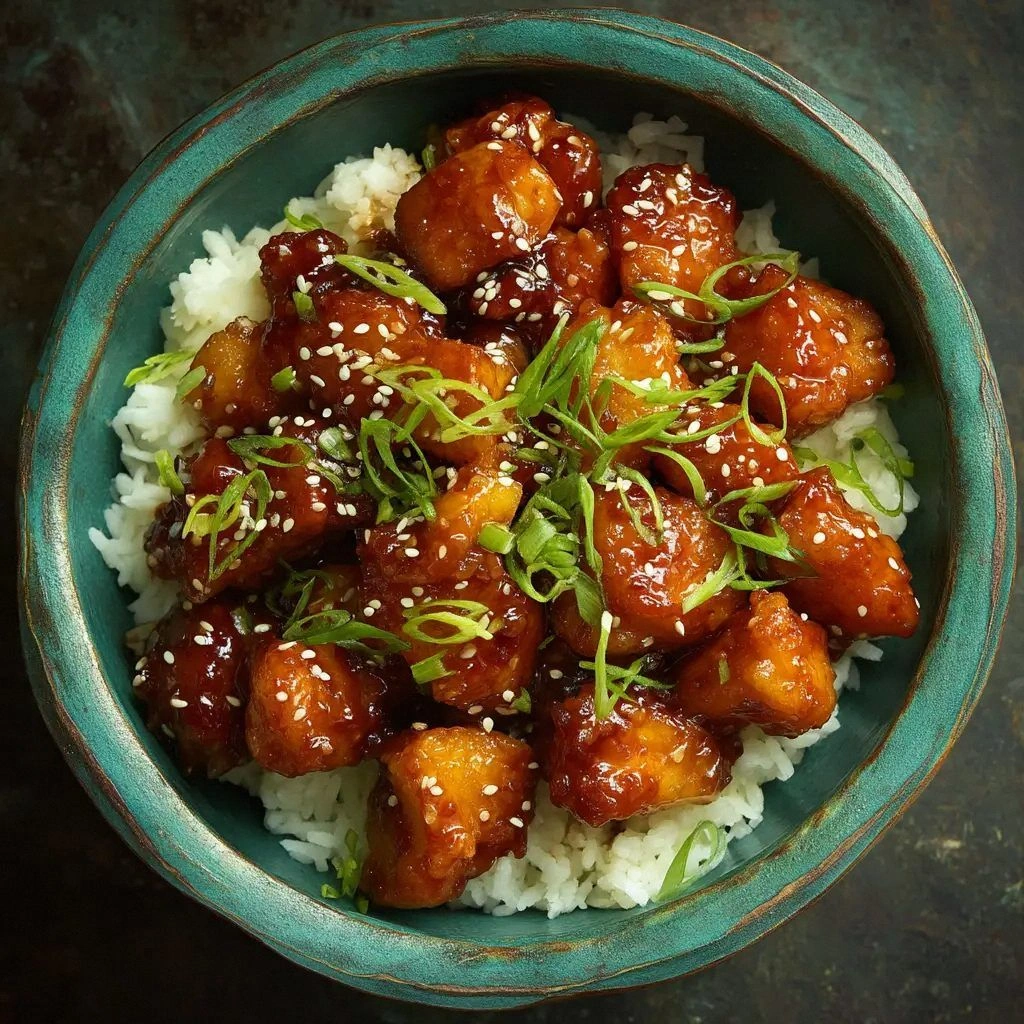
Picture this: you’re in the middle of a storm‑laden night, the rain pounded against the windows, and your fridge was a barren wasteland of leftovers. You had a half‑baked chicken breast, a jar of pineapple chunks, and a can of soy sauce that had been sitting in the pantry for months. That evening, I dared myself to turn the most mundane combination into a tropical delight, and the result was nothing short of a culinary revelation. I swear I could taste the sun on a beach, feel the breeze through coconut leaves, and hear the distant hum of surf, all from a humble crockpot.
When the first sizzling sound erupted from the pot, I was immediately hooked. The aroma was a heady mix of sweet pineapple and savory soy, punctuated by the sharp bite of garlic and the warm, earthy note of fresh ginger. My eyes widened as the chicken began to absorb the sauce, turning translucent and tender with each gentle stir. The kitchen filled with an intoxicating scent that made even the most cynical foodie pause in reverence. I knew I had stumbled upon something special, a dish that could transform an ordinary dinner into a mini getaway.
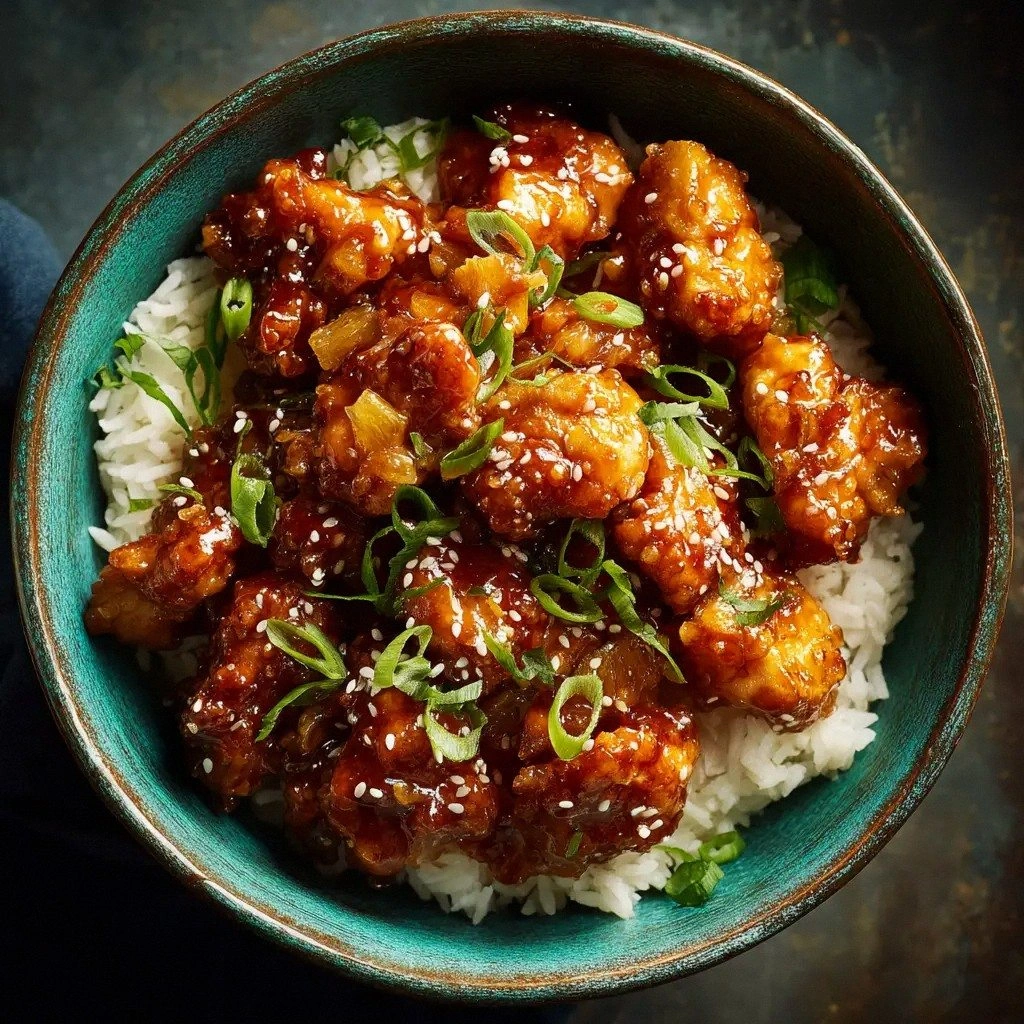
Fast forward to today, and this recipe has become a staple in my culinary rotation. Whether you’re a seasoned cook or a kitchen novice, the combination of a slow cooker and a few pantry staples creates a dish that feels both comforting and exotic. The sauce, thickened with cornstarch, glistens like a tropical sunrise over a calm sea. The chicken’s juices mingle with the caramelized pineapple, creating a flavor profile that’s sweet, salty, and utterly unforgettable. This isn’t just a meal; it’s an experience that invites you to escape the ordinary.
I dare you to taste this and not go back for seconds. The first bite will melt your palate, and the second will have you reaching for more. I’ve been known to sneak a spoonful before anyone else has even taken a bite—yes, I admit it. Most recipes get this completely wrong by overcooking the chicken or using too much sugar. Here, the balance is precise: the pineapple’s natural sweetness is complemented by a subtle umami from the soy, while the cornstarch glaze gives it that satisfying sheen. Picture yourself pulling this out of the crockpot, the whole kitchen smelling incredible, and the table set with a hint of paradise.
What sets this version apart is not just the ingredients but the method—slow cooking preserves moisture, letting the flavors seep deep into the meat. The result is chicken that practically falls off the bone, yet remains firm enough to hold its shape. The sauce is thick enough to coat the chicken like velvet, yet still pourable for that final splash of glossy goodness. This is hands down the best version you’ll ever make at home, and I’m here to walk you through every single step—by the end, you’ll wonder how you ever made it any other way.
Let me walk you through the journey that turns a simple crockpot into a Hawaiian paradise. From the careful selection of pineapple to the strategic use of cornstarch, each element plays a pivotal role in creating a dish that’s both comforting and adventurous. The process is straightforward, yet each step is infused with a touch of culinary magic that elevates the flavor profile. If you’ve ever struggled to keep chicken juicy in the crockpot, you’re not alone—this recipe is the fix you’ve been searching for.
Before we dive into the steps, I want to give you a sneak peek of the key techniques that make this dish stand out. The next section will highlight the unique aspects that set this recipe apart from countless others you’ve tried. I’ll also share a few insider hacks that will make your cooking experience smoother and more enjoyable. Stay with me, because the next part? Pure magic.
In the end, this dish isn’t just about flavor; it’s about creating a moment of joy in the kitchen. Imagine the warmth of the crockpot, the gentle bubbling of the sauce, and the anticipation of the first bite. That’s the essence of Hawaiian Crockpot Chicken (The) – a simple yet transformative dish that turns any ordinary evening into a tropical escape.
What Makes This Version Stand Out
- Taste: The marriage of sweet pineapple and salty soy creates a balanced flavor profile that lingers on the palate. The subtle hint of ginger adds depth without overpowering the dish. This is the kind of flavor harmony that keeps guests coming back for more.
- Texture: Slow cooking locks in moisture, resulting in chicken that is tender yet retains its bite. The cornstarch glaze coats each piece, giving a glossy finish that feels indulgent. The sauce’s viscosity is just right, allowing it to cling to the meat without becoming cloying.
- Simplicity: With only eight ingredients, the recipe is approachable for even the most inexperienced cooks. No special equipment is required beyond a standard crockpot. The preparation time is minimal, making it ideal for busy weeknights.
- Uniqueness: Most crockpot chicken recipes lean towards savory or barbecue flavors. This version introduces a tropical twist that sets it apart. The crushed pineapple provides natural sweetness, while the soy sauce offers umami depth.
- Crowd Reaction: The dish is a crowd-pleaser at family dinners or potlucks. Its bright, tropical flavor profile appeals to both kids and adults. The visual appeal of the glossy sauce adds a touch of elegance to any plate.
- Ingredient Quality: Using fresh ginger and fresh garlic elevates the dish’s aroma and taste. Opting for low-sodium soy sauce keeps the dish from becoming overly salty. The use of crushed pineapple instead of chunks ensures a smoother sauce.
- Cooking Method: The crockpot’s low and slow heat preserves the chicken’s juiciness and allows flavors to meld. The method is foolproof, requiring minimal hands-on time. It’s a great option for “set it and forget it” cooking.
- Make-Ahead Potential: This dish can be prepared ahead of time and reheated without losing its texture or flavor. The sauce thickens slightly upon refrigeration, giving it an even richer consistency when reheated.
Inside the Ingredient List
The Flavor Base
Crushed pineapple is the star of this dish, providing natural sweetness and a hint of acidity that balances the savory elements. The pineapple’s natural sugars caramelize during the slow cooking process, creating a rich, glossy sauce that coats the chicken. Skipping pineapple would leave the dish flat and devoid of its signature tropical twist. For those who prefer a less sweet profile, you can substitute half the pineapple with a splash of pineapple juice and a teaspoon of brown sugar to maintain balance.
Low-sodium soy sauce is the umami backbone of the sauce, adding depth and a savory undertone that complements the sweetness of the pineapple. The reduced sodium content keeps the dish from becoming overly salty, allowing the natural flavors to shine through. If you’re sensitive to sodium, you can use a sodium‑free soy sauce or a blend of tamari and a pinch of sea salt. A good tip: let the soy sauce sit at room temperature for a few minutes before adding; this helps it integrate more smoothly into the sauce.
Brown sugar brings caramelization to the sauce, enhancing the sweetness without overpowering the pineapple. It also contributes to the glossy finish, as the sugars melt and bind with the cornstarch. If you’re looking for a healthier option, you can replace brown sugar with a natural sweetener like maple syrup or honey, but keep in mind that the final texture may vary slightly. Remember to use packed brown sugar to avoid a watery sauce.
Fresh ginger and garlic are the aromatic cornerstones that give the dish its unmistakable kick. Ginger’s peppery heat cuts through the sweetness, while garlic provides a deep, savory base. If fresh ginger is hard to find, you can use a tablespoon of ginger paste, but fresh is always best for flavor. The combination of these aromatics ensures the sauce has a complex, layered taste profile.
The Texture Crew
Cornstarch is the secret weapon that turns a simple liquid sauce into a silky glaze. It thickens the sauce without adding a heavy or doughy texture, maintaining the dish’s lightness. To avoid clumps, dissolve the cornstarch in cold water before adding it to the crockpot. If you prefer a thicker sauce, you can double the cornstarch; just make sure you stir well to distribute it evenly.
Cold water is used to create a slurry with the cornstarch, ensuring a smooth consistency. The cold water temp helps prevent the cornstarch from activating prematurely, which could result in a lumpy sauce. If you’re in a hurry, a splash of coconut milk can replace the water, adding a subtle tropical note and extra richness.
Chicken breasts are the protein backbone of this dish, chosen for their lean quality and ability to absorb flavors. Boneless, skinless breasts are ideal because they cook evenly and stay tender. If you prefer a more robust flavor, you can use thighs; just adjust the cooking time slightly to ensure they don’t dry out. A quick tip: pat the chicken dry before adding to the pot to help the sauce cling better.
The Unexpected Star
While the ingredients may seem ordinary, the synergy between them creates an unexpected explosion of flavor. The pineapple’s natural acidity cuts through the richness of the soy, preventing the dish from feeling heavy. The cornstarch’s glossy sheen is reminiscent of a tropical sunset, making the dish visually stunning. This harmonious blend is what sets this recipe apart from the countless others you’ve tried.
The Final Flourish
All the components come together in the final stage, where the sauce thickens and coats the chicken, creating a mouth‑watering glaze. The finishing touch is a quick stir to ensure the sauce is evenly distributed. This step is crucial for achieving the signature glossy finish that makes the dish irresistible. If you’re a fan of extra sweetness, a drizzle of honey right before serving can add a delightful finish.
Everything’s prepped? Good. Let’s get into the real action…
The Method — Step by Step
- Begin by patting the chicken breasts dry with paper towels; this helps the sauce adhere better. Place the chicken in the crockpot, skin side down, ensuring they are not overcrowded. The even spacing allows heat to circulate, promoting uniform cooking. While the chicken rests, you’ll start the sauce that will transform it.
- In a medium bowl, combine the crushed pineapple, brown sugar, and low‑sodium soy sauce. Stir until the sugar dissolves completely, creating a smooth base. The pineapple’s natural juice will start to mingle with the soy, forming a fragrant mixture. This is where the tropical aroma begins to build.
- Add minced garlic and ginger to the sauce mixture, letting the aromatics bloom. The garlic releases its pungency, while the ginger adds a warm, peppery note. This step is crucial for depth; skip it and the dish will feel flat. Let the mixture sit for a minute to allow the flavors to meld.
- Pour the sauce over the chicken, making sure each piece is fully coated. The sauce should pool around the bottom of the pot, creating a flavorful base. If the sauce seems too thick at this point, add a splash of water to thin it slightly. The goal is a silky glaze that clings to the chicken.
- Cover the crockpot and cook on low for 2 hours. The slow heat allows the chicken to become incredibly tender, absorbing the sauce’s flavors. During this time, you’ll notice the sauce’s color deepening from translucent to a rich amber hue. The aroma will intensify, making the kitchen feel like a tropical paradise.
- After 2 hours, switch the crockpot to high and cook for an additional 30 minutes. This final phase brings the sauce to a luscious consistency that clings to the chicken. Keep an eye on the liquid level; if it’s too low, add a tablespoon of water to maintain the glaze. The chicken should be fork‑tender and the sauce glossy.
- In the final 5 minutes, stir in the cornstarch slurry. This thickening step locks in the sauce’s glossy finish. The cornstarch reacts with the heat, creating a silky coating that feels like a tropical sunset on your plate. The aroma at this point is intoxicating, with hints of caramelized pineapple and savory soy.
- Once the chicken is cooked and the sauce has thickened, remove the pot from heat and let it rest for 5 minutes. Resting allows the juices to redistribute, ensuring each bite is moist. While the chicken rests, you can plate it over steamed rice or a bed of fresh greens. Serve immediately for maximum flavor and texture.
That’s it—you did it. But hold on, I’ve got a few more tricks that will take this to another level…
Insider Tricks for Flawless Results
The Temperature Rule Nobody Follows
Many people assume the crockpot’s “low” setting is always the best. In reality, a brief period on high can help develop a richer sauce without overcooking the chicken. I’ve found that starting on low for 90 minutes, then shifting to high for the final 30 minutes gives the sauce the perfect balance of thickness and flavor. This subtle tweak is often the difference between good and unforgettable.
Why Your Nose Knows Best
During the cooking process, the aroma evolves from sweet to savory to caramelized. Trust your nose; when the smell starts to smell like toasted sugar, you’re close to the finish line. This sensory cue is more reliable than a timer, especially if you’re juggling other tasks in the kitchen. The moment the aroma hits that sweet‑savory sweet spot, the dish is almost ready.
The 5‑Minute Rest That Changes Everything
Letting the dish rest after cooking allows the juices to redistribute, preventing a dry bite. The rest period also lets the sauce settle into a silky consistency. I’ve seen even seasoned chefs forget this step, resulting in a dish that feels “off.” The simple act of pausing for five minutes can elevate the entire experience.
Don’t Skip the Final Stir
A quick final stir before serving ensures the sauce is evenly distributed and the glaze is glossy. It also gives you a chance to check the thickness—if it’s still too thin, add a splash of cornstarch slurry. This step guarantees that every bite has that signature coating of tropical sweetness.
Serve with a Fresh Twist
Pair the chicken with a side that complements its tropical flavor. Fresh mango salsa, coconut rice, or a simple cucumber salad with lime dressing all work beautifully. The fresh acidity cuts through the richness, creating a balanced plate. If you’re feeling adventurous, sprinkle toasted sesame seeds on top for a subtle crunch.
Creative Twists and Variations
Spicy Pineapple Explosion
Add a tablespoon of sriracha or a pinch of red pepper flakes to the sauce for a fiery kick. The heat contrasts with the sweetness, creating a dynamic flavor profile. This version is perfect for those who love a little spice in their meals. Serve it over rice for a balanced bite.
Thai‑Inspired Coconut Cream
Replace the water in the cornstarch slurry with coconut milk for a richer, creamier sauce. The coconut’s natural sweetness enhances the pineapple, while the creaminess gives the dish a silky texture. Pair it with jasmine rice for an authentic Thai feel. The aroma will transport you to a bustling market in Bangkok.
Herb‑Infused Twist
Stir in a handful of fresh cilantro or basil during the final stir. The herbs add a fresh, green note that cuts through the richness. This variation is ideal for spring or summer when fresh herbs are at their peak. The result is a bright, aromatic dish that feels light yet satisfying.
Low‑Calorie Version
Swap the brown sugar for a natural sweetener like stevia or monk fruit. Use a low‑sodium soy sauce or tamari to keep the salt content down. This version retains the flavor profile while reducing the calorie count. It’s a great option for those watching their intake without sacrificing taste.
Protein Swap
Use boneless, skinless thighs instead of breasts for a richer, more succulent texture. Thighs hold their moisture better during slow cooking, resulting in a slightly different mouthfeel. The flavor remains consistent, but the dish feels heartier. This swap is great for those who prefer a more robust bite.
Storing and Bringing It Back to Life
Fridge Storage
Cool the dish completely before transferring it to an airtight container. Store in the refrigerator for up to 4 days. The sauce will thicken slightly, but the flavors remain vibrant. When ready to eat, reheat gently on the stovetop, stirring occasionally to prevent sticking.
Freezer Friendly
For longer storage, portion the chicken and sauce into freezer‑safe containers. Freeze for up to 3 months. Thaw overnight in the refrigerator before reheating. The texture stays firm, and the sauce retains its glossy finish.
Best Reheating Method
Reheat on the stovetop over medium heat, adding a splash of water or broth to loosen the sauce. Stir frequently to ensure even heating and to re‑activate the cornstarch glaze. Alternatively, use a microwave on low power, stirring every 30 seconds. The key is gentle heat to preserve moisture.