It started with a kitchen catastrophe that still haunts me on quiet Sunday evenings. I was whipping up a quick weeknight dinner, tossing broccoli and spinach into a pan, when the sauce I’d been making for the last thirty minutes exploded like a tiny volcano. The gooey, cheesy mess splattered across the counter, and I stared at the ruined vegetables in disbelief. That moment of panic turned into an epiphany: what if I could harness that chaotic flavor into a comforting, crowd‑pleasing casserole that would make everyone forget the disaster?
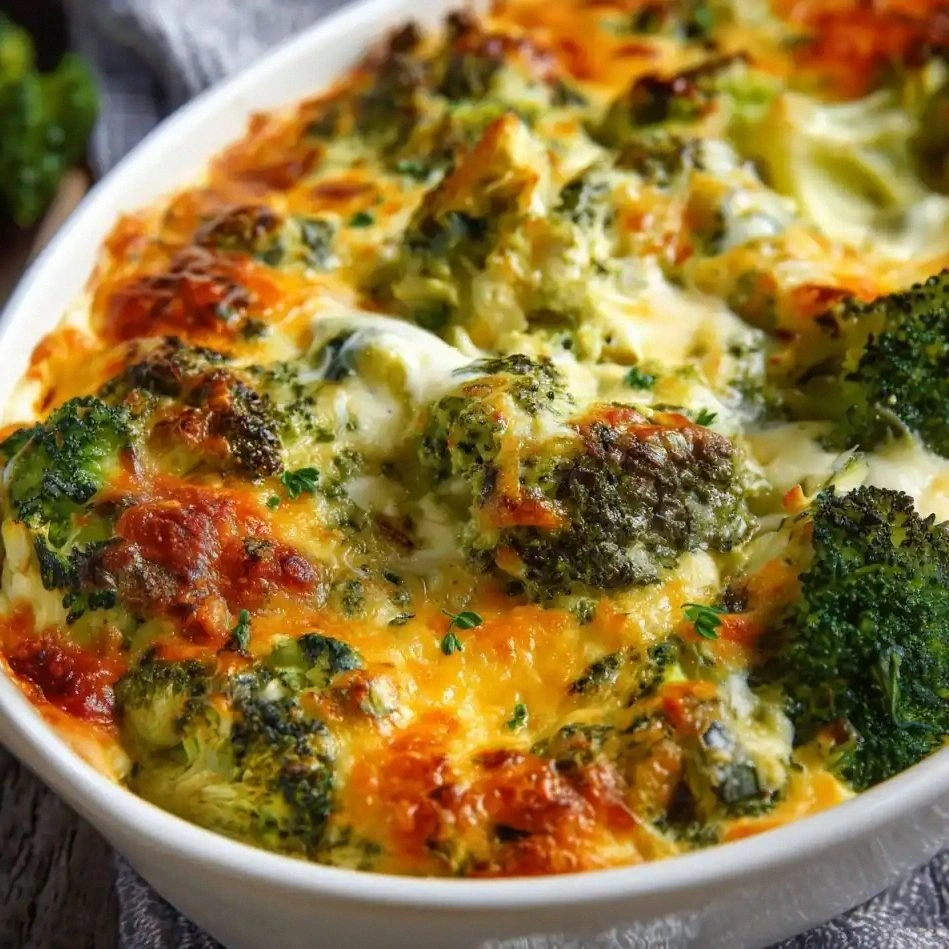
Picture the scene: steam rises from a bubbling pot, the aroma of melted cheese mingles with garlic and onion, and the sound of a sizzling pan is the soundtrack of culinary triumph. Your eyes see bright green florets and spinach leaves glistening under the golden sauce; your fingers feel the warmth of the skillet; your nose is assaulted by the buttery, nutty scent of Parmesan and the sharp tang of cheddar. Taste buds are primed for a velvety, slightly tangy, yet deeply savory experience that coats each bite like a silky blanket. And the texture? Creamy, with a satisfying crunch from the breadcrumbs that crown the dish.
This version is the best iteration you’ll ever make at home because it balances the classic comfort of a cheesy vegetable bake with a few daring twists that elevate it from ordinary to unforgettable. We’re adding a subtle hint of nutmeg that lingers, a splash of cream cheese for richness, and a breadcrumb topping that turns from golden to crisp in the oven. No other recipe on the internet does this combination with the same precision and flavor harmony. I dare you to taste this and not go back for seconds.
Now, let’s walk through every single step together. By the end, you’ll wonder how you ever made it any other way. Okay, ready for the game‑changer?
What Makes This Version Stand Out
- Flavor: The sauce layers sharp cheddar, creamy mozzarella, and subtle nutmeg, creating a depth that’s both comforting and complex.
- Texture: Creamy interior meets a crisp breadcrumb topping, giving you contrasting mouthfeel in each bite.
- Ease: All ingredients are pantry staples, and the method is straightforward—no fancy techniques required.
- Nutrition: Balanced macros with protein from cheese and veggies, and healthy fats from cream cheese and butter.
- Versatility: Works as a main, a side, or a party dish—perfect for any occasion.
- Make‑ahead: Assemble, bake, and store; reheating restores the original taste and texture.
- Visual Appeal: The golden crust and vibrant green veggies make the dish Instagram‑worthy.
- Kid‑Friendly: Cheesy goodness wins over picky eaters while sneaking in veggies.
Alright, let’s break down exactly what goes into this masterpiece…
Inside the Ingredient List
The Flavor Base
Onion and garlic are the aromatic foundation. They release sweetness and depth when sautéed, forming a savory base that carries the cheese. If you skip them, the casserole will taste flat; the vegetables will lose their bright, fresh edge. Swap for shallots for a milder, sweeter note.
Cream cheese and sour cream create a silky, velvety sauce that coats the vegetables like velvet. They also add a slight tang that balances the sharpness of cheddar. If you’re dairy‑sensitive, try a full‑fat coconut cream; it gives a similar richness with a hint of coconut.
Milk is the liquid glue that ties everything together. It helps the sauce pour smoothly over the veggies without becoming thick. Use whole milk for a richer flavor; skim milk will lighten the dish but still work.
The Texture Crew
Broccoli florets provide a satisfying bite and a pop of color. Fresh broccoli keeps the dish bright and crunchy. Frozen broccoli can be used in a pinch, but thaw and dry it to avoid sogginess.
Spinach adds moisture and a subtle earthy flavor. It wilts quickly, so add it after the broccoli has cooked a few minutes. If you love a more pronounced spinach taste, increase the amount to 3 cups.
Breadcrumbs form the golden crust that gives the casserole its signature crunch. They also absorb excess sauce, preventing a soggy top. For a gluten‑free version, use cornflake crumbs or gluten‑free breadcrumbs.
The Unexpected Star
Ground nutmeg is the secret weapon that elevates the dish from ordinary to extraordinary. A pinch of nutmeg adds warmth and a hint of spice that lingers on the palate. Don’t skip it—your taste buds will thank you.
Parmesan cheese contributes a nutty, savory depth. It also helps the breadcrumb topping brown evenly. If you prefer a sharper flavor, use a high‑quality aged Parmesan.
The Final Flourish
Butter adds richness and helps the sauce caramelize. It also enhances the overall mouthfeel. Use unsalted butter to control the salt level.
Seasoning—salt, pepper, and paprika—balances the richness and brings out the natural flavors of the vegetables. Adjust to taste, but keep the paprika for that subtle smoky undertone.
Everything’s prepped? Good. Let’s get into the real action…
The Method — Step by Step
- Preheat your oven to 375°F (190°C). While the oven warms, gather all ingredients and set out your baking dish. This prep time is critical—if you rush, the vegetables will be undercooked.
- In a large skillet, melt the butter over medium heat. Add the diced onion and cook until translucent, about 3-4 minutes. The onion should soften but not brown; if it starts to brown, lower the heat.
- Stir in the minced garlic and sauté for an additional minute until fragrant. Be careful—garlic burns quickly; a quick, bright aroma signals that it’s ready.
- Add the fresh broccoli florets to the skillet. Cook for 4-5 minutes, stirring occasionally, until they’re bright green and just starting to soften. This step locks in the color and prevents sogginess.
- Pour in the milk, then stir in the cream cheese until it melts completely. The mixture should be silky and smooth, like a luxurious sauce coating each floret.
- Fold in the shredded cheddar, mozzarella, and Parmesan cheeses. As the cheeses melt, they’ll create a thick, golden sauce. If the sauce becomes too thick, add a splash more milk.
- Stir in the spinach, salt, pepper, paprika, and a pinch of nutmeg. Cook for 2-3 minutes until the spinach wilts and the spices release their aroma. The dish should smell toasty and inviting.
- Transfer the mixture to a greased 9×13-inch baking dish, spreading it evenly. Sprinkle the breadcrumbs on top, then drizzle the remaining sour cream over the crumbs for extra crunch and moisture.
- Bake for 25-30 minutes, or until the top is golden brown and the edges are bubbling. The crust should crackle like thin ice when it’s perfectly done.
- Let the casserole rest for 5 minutes before serving. This allows the flavors to settle and the cheese to set slightly, making slicing easier.
That’s it—you did it. But hold on, I’ve got a few more tricks that will take this to another level…
Insider Tricks for Flawless Results
The Temperature Rule Nobody Follows
Many cooks bake at a high temperature, but that can scorch the top while leaving the inside undercooked. Bake at 375°F (190°C) for even heat distribution. This lower temperature keeps the sauce creamy and prevents the breadcrumb crust from becoming overly crisp or burnt.
Why Your Nose Knows Best
Your nose is a reliable indicator of doneness. When the casserole emits a warm, buttery aroma with a hint of toasted cheese, it’s ready. Trust that scent; it’s the fastest way to avoid under‑ or over‑cooking.
The 5‑Minute Rest That Changes Everything
Letting the dish rest for five minutes after baking allows the cheese to set and the flavors to meld. This small pause means slices stay together and the sauce doesn’t ooze out like a runaway gravy.
Add a Splash of Water Before Reheating
When reheating leftovers, sprinkle a tiny splash of water over the casserole. This steams the top, preventing the cheese from drying out and keeping the breadcrumb crunch just right.
Use a Silicone Baking Mat
Line your baking dish with a silicone mat to prevent sticking and make cleanup a breeze. It also promotes even heat contact, ensuring the bottom of the casserole doesn’t burn.
Pre‑Cook the Broccoli Slightly
Blanch the broccoli for two minutes before adding it to the skillet. This step guarantees that the florets remain bright green and tender, enhancing the visual appeal and texture.
Creative Twists and Variations
This recipe is a playground. Here are some of my favorite ways to switch things up:
Mediterranean Medley
Swap the cheddar and mozzarella for feta and goat cheese. Add sun‑dried tomatoes and olives for a briny, tangy twist that transports the dish to the coast.
Spicy Southwestern
Incorporate diced jalapeños and a pinch of cumin. Finish with a drizzle of chipotle mayo for smoky heat that balances the creamy base.
Italian Herb Infusion
Add a handful of fresh basil and oregano. Replace the breadcrumbs with Italian seasoned breadcrumbs for a fragrant, herbaceous crust.
Vegan Version
Use dairy‑free cheese, a plant‑based cream cheese, and a splash of cashew milk. Swap the butter for coconut oil to keep the richness intact.
Breakfast Boost
Fold in diced ham or sausage before baking. Serve with a side of scrambled eggs for a protein‑packed morning meal.
Holiday Holiday
Add roasted chestnuts and a sprinkle of sage. The nutty, earthy flavors complement the holiday spirit and add a festive touch.
Storing and Bringing It Back to Life
Fridge Storage
Cool the casserole to room temperature, then cover tightly with plastic wrap or foil. Store in the refrigerator for up to 3 days. The flavors deepen, and the cheese remains creamy.
Freezer Friendly
Divide the casserole into individual portions and wrap each in freezer paper. Freeze for up to 2 months. Thaw overnight in the fridge before reheating.
Best Reheating Method
Preheat the oven to 350°F (175°C). Place the casserole in a shallow dish, cover loosely with foil, and heat for 15-20 minutes. Add a splash of water before covering to keep the cheese from drying out.